
Introduction
It is well known that a cadaver constitutes a dynamic system that shelters and supports a rich community, of which arthropods form an important part, not only because they consume decomposing tissue but also because they permit those same decomposition processes to speed up. The arthropod community varies with time, specific species that feed on the tissues or exudates appearing at a given moment of the decomposition process. The community is also affected by seasonal dynamics, certain species appearing in one season but not in others, This factor is of special importance when trying to establish the time of death in cases where the PMI is quite long. For this reason, too, knowledge of the sarcosaprophagus communities associated with different environments and of their seasonal dynamic is important in forensic practice.
This contribution describes a forensic case, for which entomological evidence provided a more precise answer when medical evidence offered too wide a range for the possible time of death. The data take on an added interest because they are taken from a region where this type of evidence has not traditionally been taken into account in forensic science and for which, therefore, there is no reliable database which may be of use in future cases.
Case description
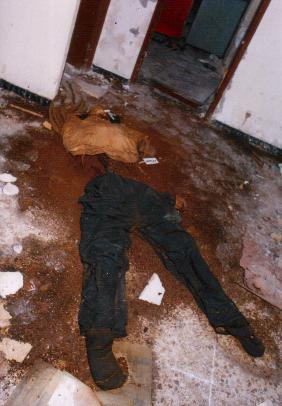
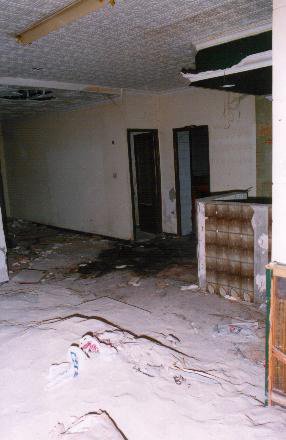
On 25 February, the corpse of an initially unidentified male was found on the floor of a room in Lorca (SE Spain), which did not receive direct sunlight (fig. 1). The cadaver was found in a prone position (fig. 2) dressed in a short-sleeved shirt and light-weight tracksuit top. The building was abandoned with access officially barred, although it must have been easy to enter because the body was found by playing children.
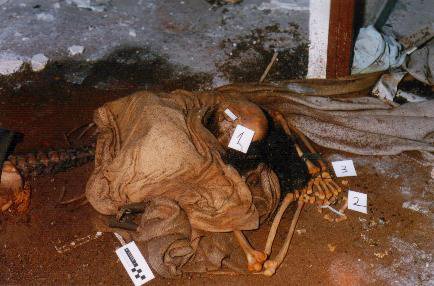
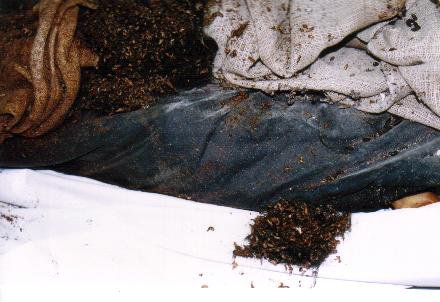
The cadaver was skeletonized (fig. 3) and showed bites of, presumably, rodents. Medical evidence suggested that death had been caused by craneocephalic traumatism. Entomological evidence was abundant and present in all parts of the body. In zones covered by clothes there were live insects. During the autopsy, which was carried out on 26 February, numerous Coleoptera moving over the joints and tendons were observed.
The entomological material collected during the autopsy was preserved live at room temperature and, after inspection in the laboratory, was preserved in 70% ethanol.
The entomological study was conducted with no additional information, such photographs, about the case.
Results
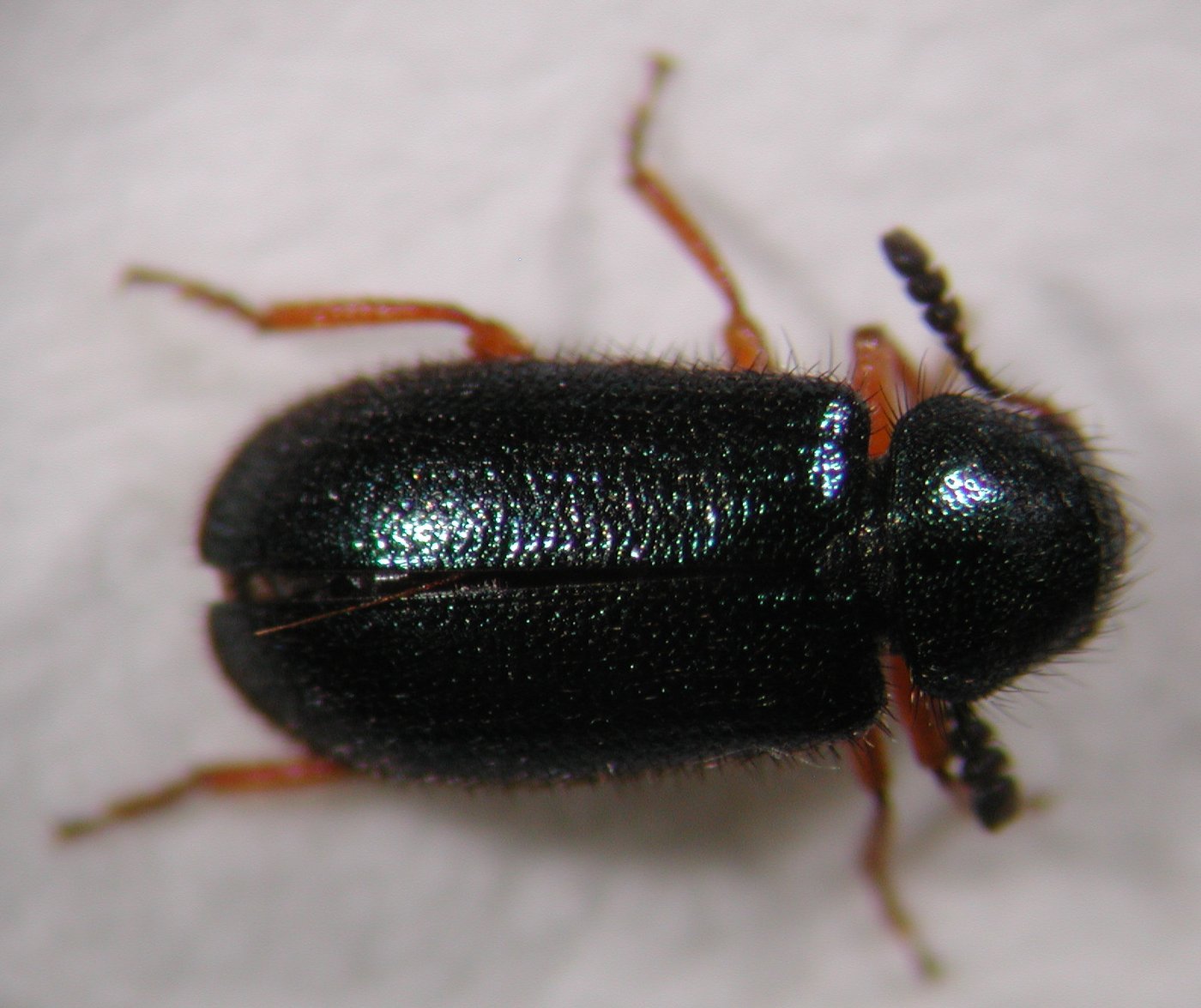
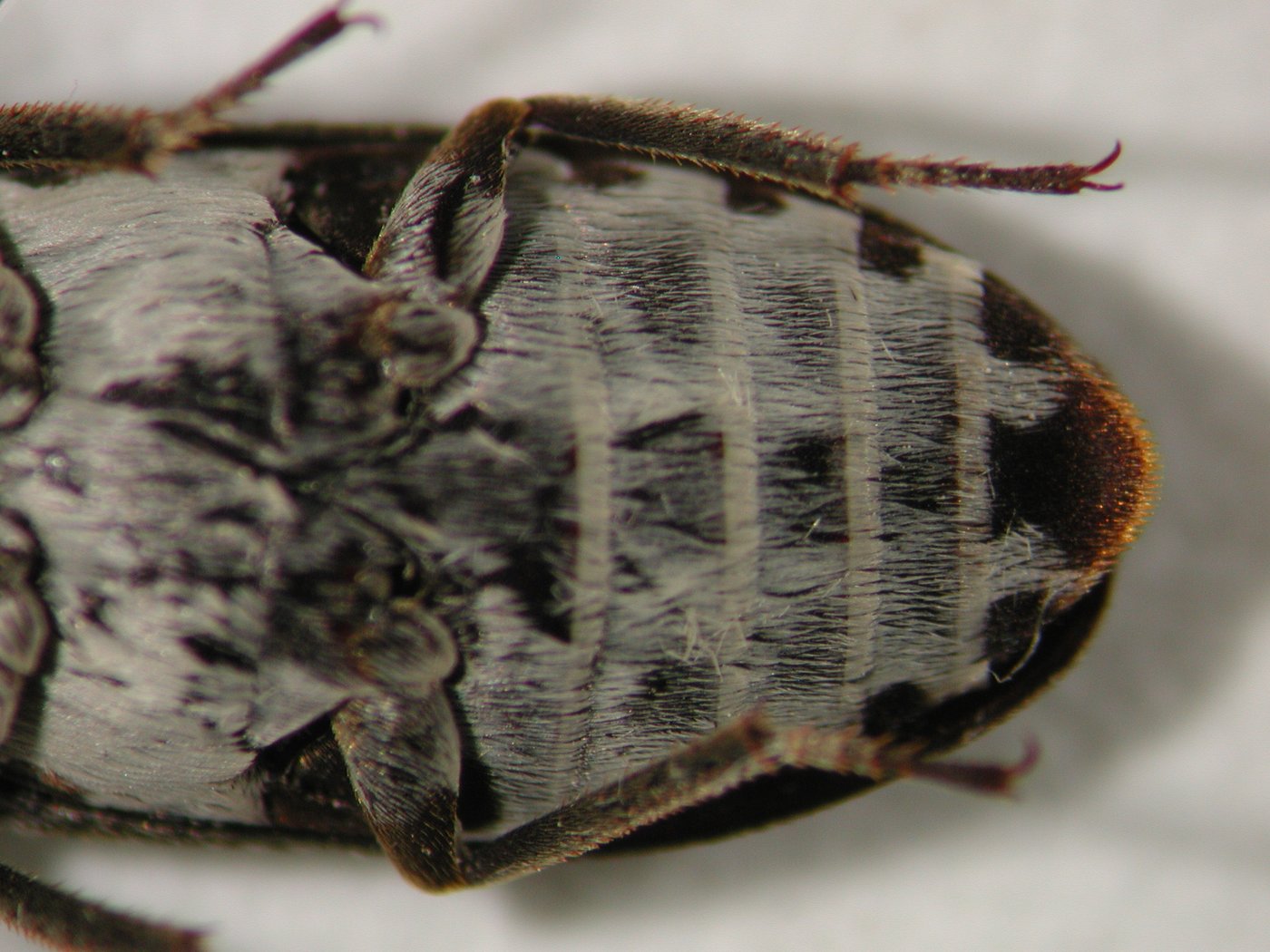
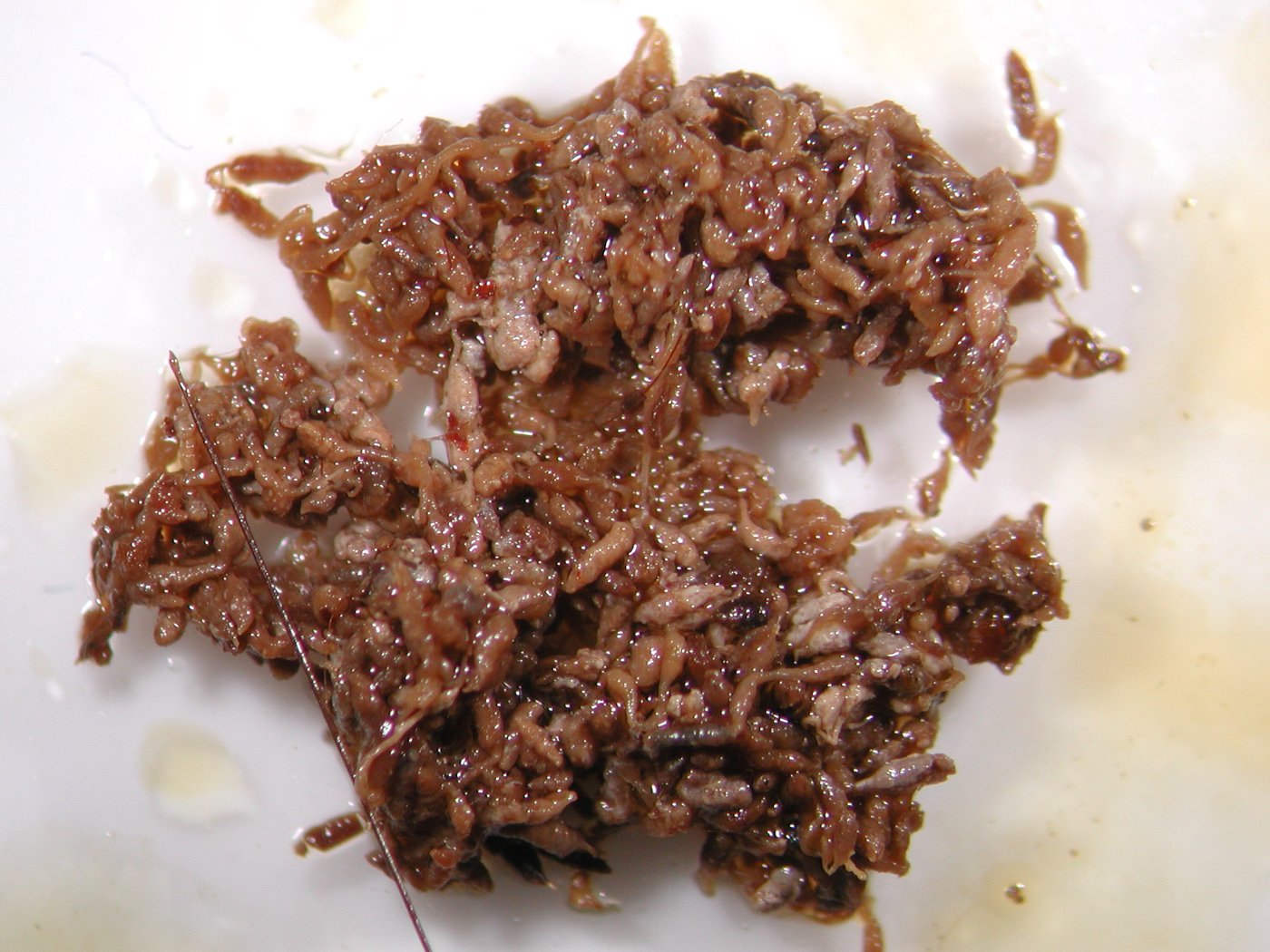
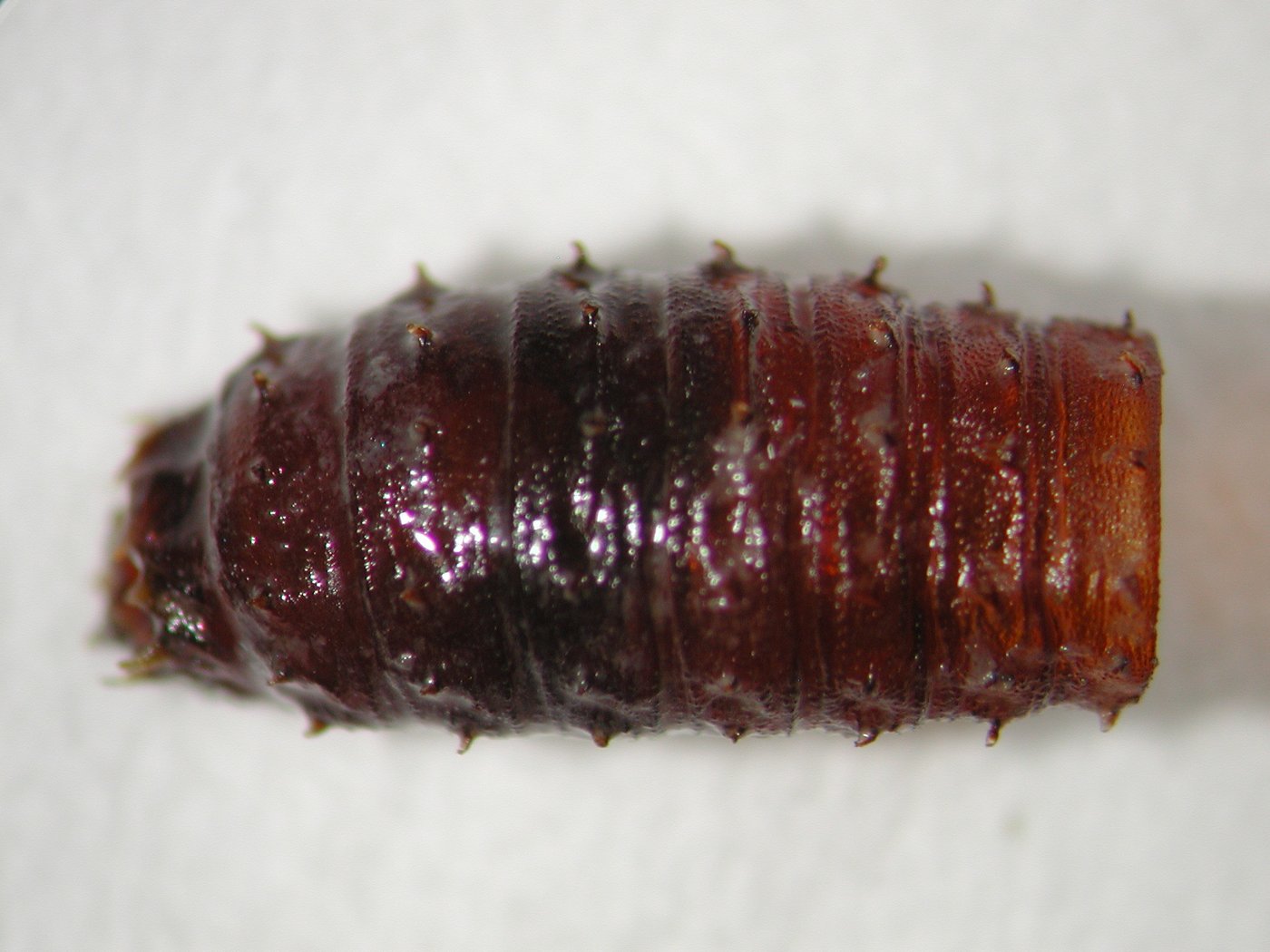
The material consisted of live adult samples of Necrobia rufipes (Coleoptera. Cleridae) (fig. 4), one live adult of Dermestes maculatus (Coleoptera, Dermestidae) (fig. 5), abundant remains of activity (faeces included in peritrophic membranes) (fig. 6,7) and more or less fragmented remains of Dermestidae larval exuviae, empty Piophila casei puparia (Diptera, Piophilidae), empty puparia of Chrysomya albiceps (Diptera, Calliphoridae) (fig. 8), one empty puparium of Ophyra sp. (Diptera, Muscidae) and two live caterpillars of Tineoida (Lepidoptera).
Discussion and conclusion
In the area in question, Chrysomya albiceps is by far the most abundant species of Diptera found in autumn, while in winter its presence is extremely rare. It is also common in summer, although in lower numbers than in autumn [1].
Ophyra sp. has been described in human cadavers from the fourth month after death and species of the genus have been described as being active between June and October [2, 3, 4], although no information is available regarding this genus in the area under consideration. As regards Piophila casei, they are known to be associated with advanced stages of decomposition. Although adults can be found in the first few days after death, oviposition and therefore preimaginal stages of development occur later, so that the evidence obtained in the cadaver pointed to a long PMI. There are no details referring to their preferred flight period, although Fuller [4] mentions the presence of adult Piophila casei at the end of summer. Benecke [5] considered Piophila casei to be typical of cadavers exposed for a period of 3-6 months.
As regards Dermestidae, adults specimens are known to appear in cadavers from a very early time, although their larvae, which are the real indicators of PMI, are only characteristic of the most advanced stages of decomposition, when the tissues are dry. According to Raspi and Antonelli [6], Dermestes maculatus only reaches full development when the temperature remains constant at above 18ºC, in which conditions, according to the same authors, the species takes 96 days after oviposition to reach the adult stage. However, this information must bear in mind the environmental characteristics of the region [7], where the mean temperature in autumn is 15ºC, with a large difference between the first and last days of the season (mean temperatures 20 and 10ºC, respectively). In winter the mean daily temperatures vary between 10 and 15ºC from the beginning to the end of the season. Bearing these temperatures in mind, we may conclude that Dermestidae development may well have been slower than in [6]. Whatever the case, the remains of Dermestidae feeding activity were abundant, although no larva or pupa was found, suggesting that the growth cycle had finished.
The Cleridae are predatory Coleoptera, although Payne and King [8] claim that Necrobia rufipes is only a carrion feeder that is found in skeleletonized bodies. Fuller [4] observed recently emerged adults in four month old cadavers and Oliva [2] cites larvae, pupae and adults of this species alongside exuviae of Dermestes maculatus, puparia of Ophyra sp.and of Sarcophagidae in a six months old cadaver. This finding is of particular importance because the degree of similarity with our evidence as a whole.
Another pointer of a long PMI is the presence of Tineidae, which are commonly found in exposed cadavers since they complete their cycle in desiccated remains. However, because these specimens were not identified to the species level, their presence provides little additional help.
The evidence as a whole showed the synchronous presence of arthropods which are known to exist early (Chrysomya albiceps) and late (Dermestes, Piophila) in decomposing bodies. Of note is the fact that no remains of other Diptera of a primary character were found in the decomposing body, which may be due to different reasons: the strong competition with Chrysomya albiceps and Ophyra sp., whose larvae are predatory, the small presence of other species of Diptera or the fact that other species, such as Phaenicia sericata, or Calliphora vicina, are known to be much more likely than Ch. albiceps to crawl away from the corpse to pupate.
Insect samples were collected at autopsy, so any specimens that were away from the body would not have been detected. Since the cadaver was clothed, it is possible that, although most of the migratory larvae had left the body, a few specimens remained among the folds of the clothing, as occurred with Chrysomya albiceps and Ophyra sp. The sole presence of these two Diptera strongly suggests that other members of this order had been poorly represented, which, together with the predatory pressure of the other species, would have eliminated the evidence of their presence.
We considered Chrysomya albiceps to be the principal taxon present of the primary Diptera, which suggests colonisation of the cadaver at the end of summer or beginning of autumn, since this when Chrysomya albiceps is the most abundant species of Diptera [1]. This first seasonal indication pointed to this time of the year being the time of death and agreed with the other evidence found. The evidence as a whole indicated a minimum PMI of six months, which put the beginning of colonisation and therefore of death in the month of September (end of summer/beginning of autumn).
The case remains unsolved, but circumstantial evidence pointed to the man last being seen alive towards the end of the summer about 17 months prior to discovery the corpse. This fact accords with our estimate of the time of the year that death occurred according to the entomological evidence. On the other hand it also agrees with the estimation of a longer PMI made by the medical examiners who had access to the remains themselves.
References
- M.I. Arnaldos, E. Romera, M.D. García, A. Luna, An initial study on the succession of sarcosaprophagous Diptera (Insecta) on carrion in the southeastern Iberian peninsula, International Journal of Legal Medicine 114 (2001) 156-162. ↑
- A. Oliva, Insectos de interés forense de Buenos Aires (Argentina). Primera lista ilustrada y datos bionómicos. Revista del Museo Argentino de Ciencias Naturales “Bernardino Rivadavia” e Instituto Nacional de Investigación de las Ciencias Naturales, Entomología 7 (1997) 13-59. ↑
- K.G.V. Smith, A manual of forensic entomology. Trustees of the British Museum (Natural History), London, 1986. ↑
- M.E. Fuller, The Insects Inhabitants of Carrion: A Study in Animal Ecology. Council for Scientific and Industrial Research, Bulletin 82, 1934, 1-63. ↑
- M. Benecke, Six Forensic Entomology Cases: Description and Commentary, Journal of Forensic Sciences 43(4) (1998) 797-805;1303. ↑
- A. Raspi, R. Antonelli, Influence of constant temperature on the development of Dermestes macultaus Deg. (Coleoptera Dermestidae), Frustula entomologica, n.s., 18 (31) (1995) 169176. ↑
- M.I. Arnaldos Sanabria, Estudio de la fauna sarcosaprófaga de la Región de Murcia. Su aplicación a la Medicina Legal. Doctoral Thesis, University of Murcia, 2000. ↑
- J.A. Payne, E.W. King, Coleoptera associated with pig carrion, Entomologist’s Monthly Magazine 105 (1970) 224-232. . ↑