


Introduction
The diatomological mapping is the construction of D-maps in which the distribution of various diatom species in the particular water body is recorded. These elaborated database are highly significant in the forensic investigation of drowning deaths. Sometimes, to diagnose the cause of death in case of drowning is one of the toughest task for a pathologist ,which leads two basic problems- to determine the cause and manner of death. Due to these problems there is difficulty in examination when the body is confronted from water, particularly if the decomposition has altered the classical findings which are associated with drowning. These problems can be resolved by monitoring the particular water body by recording the diatom flora, as diatom flora is highly significant and specific to water body. If the particular diatom flora is found in the victim’s body and in the drowning medium, it can help in establishing a link between person and the putative site of drowning.
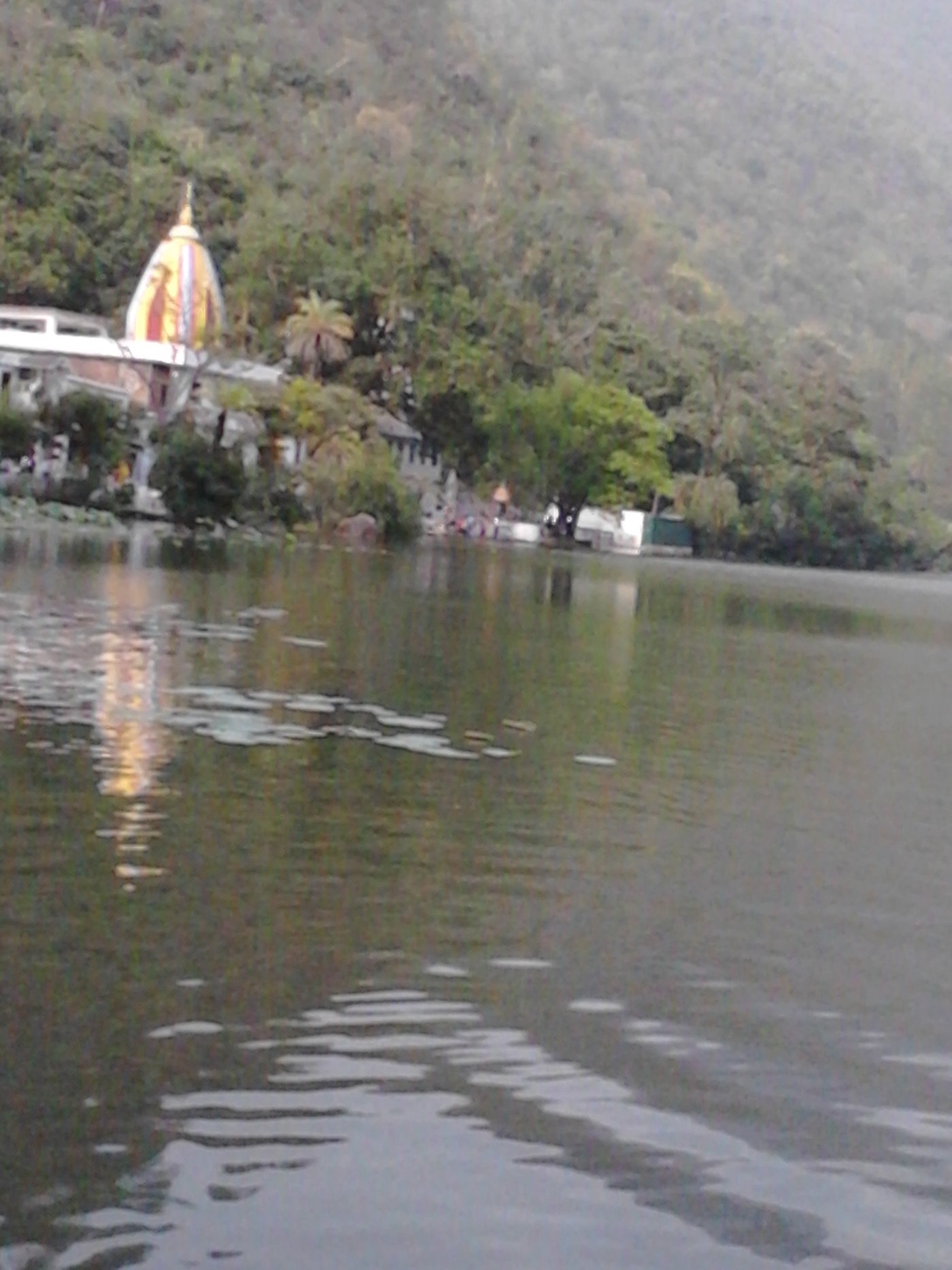
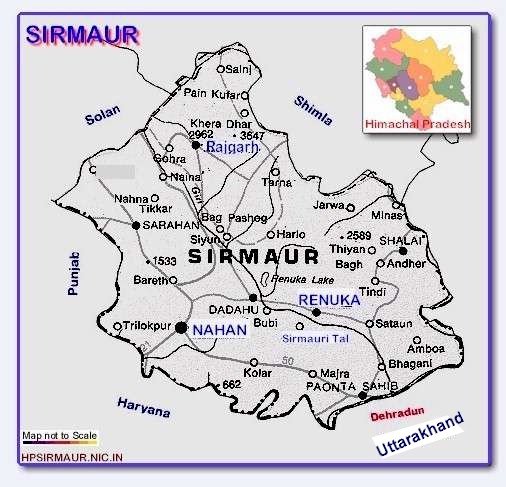
Origin and location: Renuka lake is located 36°36.36 N and 76°26.0 E in the Sirmaur district of Himachal Pradesh in India (details given in fig. no. 1). It is the largest and beautiful lake (depth 13m) with a circumference of about 3214 m and named as ‘Renuka’, which is based on the name of goddess Renuka. This is a tourist and sacred place, several lakhs of devotees from all over the country visit here every year to celebrate the holy occasion. Due to the availability of Boating facility, the chances of drowning will become higher. In the last few years number of drowning cases were reported, in which sudden drowning death occurred [1]. Keeping this aspect in mind the present study will be undertaken to solve the drowning cases in this region.
Diatoms: Diatoms are the unicellular or colonial photosynthesizing algae present in every aquatic environment. The study of diatoms is known as diatomology and the study of diatoms for solving drowning cases pertaining to the medico legal purposes is known as Forensic diatom -logy. The presence of the sufficient number of specific diatoms in the drowned body is the gold standard to solve the drowning cases on the basis of diatom test [2]. The principle of the diatom test is based on postulation that diatoms are present in the medium where the possible drowning took place. There are more than 200 genera and approximately 100,000 species of diatoms have been reported [3]. The classification of diatoms based on the symmetry which divides them into two orders: a) Centrales (Biddulphiales) which have the valve striae arranged basically in relation to a point, an annulus or the central areola and tends to appears as the radially symmetrical. b) Pennales (Bacillariales) which have the valve striae arranged in relation to a line and tends to bilateral symmetry [3]. The diatoms oftenly have their own specific tolerance for salinity, temperature and the altitude variation which affects the composition of diatom flora. Their growth is also directly related to light intensity and physio-chemical characteristics of water, i.e. pH and presence of organic matter and the increase or decrease of the diatom population depends on the climatic conditions [4]. Numbers of workers reported the diatom test for the diagnosis of drowning [5, 6, 7, 8, 14, 15]. Various extraction methods for the diatoms from the water sample and tissues have been reported in the literature like Acid digestion method by Peabody [7], Soluene-350 [9], Enzymatic or Proteinase K method by Ludes [10]. The other studies like the d-mapping (Diatomological mapping) of water bodies of various states like Punjab [4], Jaipur [16] and Haryana [17] were also recorded to create the databases of diatom flora of various states for the comparision purpose. All these studies have highly contributed in the science of forensic diatomology. Apart form this the preliminary studies of inter and intra waterbodies of Mizoram state also conducted to find the exact drowning site. [18]. Few studies have been done on this aspect, So the present study is conducted to explore the difference of diatom flora in a single waterbody at different sites.
Materials and Methods
Sample collection: In the present study the water samples were collected from Renuka lake during the Summer (June), Autumn (September), Winter (December) and Spring (March) season from June 2014 to March 2016 for continuously two years. (The details are given in table no.1)
All the samples were collected after a gap of two months during each season from the bank and middle (center) of the water body to check the intra-variations of species. For the purpose of standardization or to reduce the error the samples were collected from at least three different locations of selected waterbody. During sampling , the temperature and pH of the samples were recorded. After that, the collected samples were properly kept in the clean plastic sterile bottles, with properly labelling and stored at room temperature.
| Name of site | Type | Altitude from sea level | Mean temperature (C°) at time of sampling | pH | |||
| Summer | Autumn | Winter | Spring | ||||
| Renuka lake | Hilly area | 672 meters | 25 | 20 | 17 | 26 | 7.0 |
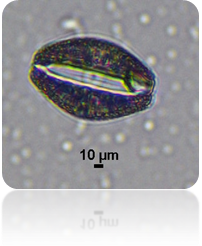
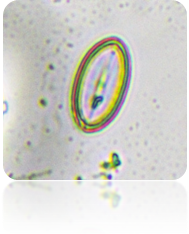
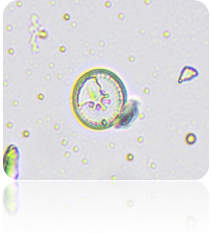
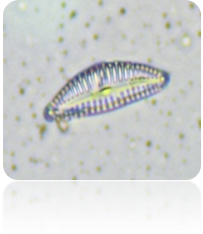
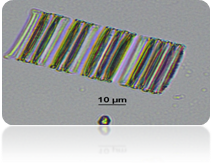
Extraction of diatoms: 100 ml of water samples were taken in 200 ml beaker for the extraction of diatoms by Acid digestion method [11]. The diatom frustules were cleaned by adding 1mg. of Potassium Dichromate followed by 50ml. of conc. Nitric acid for the digestion of sample and left undistrubed for overnight. After that the centrifugation was done three times at 5000 rpm for 10 mins. Every time supernatant was decanted and leaving behind a pallet at the bottom. Add distilled water to resuspend the pallet and again centrifuge till to remove all the traces of acid in the sample. After that, the final cleaned diatom frustules was spread over the slide and allow them to dry. After drying, permanent slides were prepared and then observed under digital light microscope model Nikon DSI-f2 at 400x and oil immersion (1000x). The photomicrographs (Plate no.1) were saved in tiff format and identified based on the keys available in literature [12].
Results and Discussions: In the present study the “intra-water body distribution pattern” of diatoms were thoroughly observed. This will be an immense help to find the exact site of drowning in a single water-body. The results shows the significant variations of diatom flora, observed from the different locations (bank and mid) of the waterbody across all the four seasons, i.e Summer, Autumn, Winter and Spring, from June 2014- March 2016. Majority of ‘Pennate’ diatoms were identified. The qualitative (type of sp.) and quantitative (Number of taxa) distribution of diatoms were also recorded for the average frequency of the particular genera during all seasons (details given in Plate no.2).
In Renuka lake, total 22 taxa of diatoms were identified across all the seasons. The significant variations were seen due to changes in the environmental conditions such as change in temperature differences, nutrients, pH, organic matter etc [4]. Majority of diatoms were seen in the bank region as compared to mid region of water body, which also depends upon the local factors of water body like difference in flow of water, mineral content which can be responsible for the change in the species composition of diatom flora [13]. Therefore the flora can vary from one water body to another and also change from one site to another site in a single water-body [18]. The diatomological-mapping of Renuka lake was generated on the basis of characterstic distribution of Commonly occurring diatoms and Rare diatoms as follows:
Characteristics diatoms found in Renuka lake
Commonly occurring diatoms : Navicula, and Cocconeis
Rare diatoms: Pseudostaurosira, Puntastriata and Stauroneis
Renuka lake is the low altitude water-body located in Sirmaur District of Himachal Pradesh. This is a religious sacred place having pure water. Varieties of diatoms were seen in this water-body. The season wise record of diatom was compared thoroughly based on the characterstics distribution of Commonly occurring diatoms and rare diatoms. In the present study, it was seen that In Summer season Cyclotella, Diploneis, Navicula, Synedra and Gomphonema were found in the bank region whereas few sp. like Gomphoneis was observed in the mid region of selected water body. The dominant taxa i.e Cymbella, Cocconeis and Fragilaria were the characterstic diatom that found in both the mid and bank region. In Autumn season large varieties of diatoms, i.e Epithermia, Melosira, Navicula, Nitzschia, Pinnularia, Cocconeis, Pleurosigma and Rhicosphenia were seen in the bank region while other diatoms like Diploneis, Encyonema, Eunotia and Stauronies were found in the mid region of water body. The commonly occurring diatoms, i.e Cocconeis, Navicula, Nitzschia, Melosira and Pinnularia were found both the mid and bank region. Majority of varieties were seen in this Autumn season as followed by other seasons. In Winter season, the growth of diatom community were decline due to the adverse climatic condition (like fall in temperature and short rainy season) which is not suitable for the growth of diatom communities. Few genera, i.e Cocconeis, Eunotia, Fragilaria, Navicula, Pseudostaurosira, Punctastriata and Rhapolodia were seen in the bank , while Pseudostaurosira and Rhapolodia commonly found in both mid and bank regions. Apart from this the good number of diatoms of different species like, Cocconeis, Epithermia, Navicula, Nitzschia, Rhapalodia, Gomphonema and Rhicosphenia were observed in the bank region of the Spring season, while Amphora and Navicula were the commonly occurring species that were seen in both the bank and mid region of water-body. It was found that maximum number of species were seen in the Autumn season than Spring season while minimum was found in Winter season.
The intra waterbody variations of diatoms (i.e from the bank and the center of waterbody) also significant to find the specific drowning site. The observations were also recorded. (The comparison details were given in table no.3.
| Diatom genera | Comparision of diatoms (intra-variations of diatoms in all seasons) | |||||||
| Summer | Autumn | Winter | Spring | |||||
| bank | middle | bank | middle | bank | middle | bank | middle | |
| Amphora | - | - | - | - | - | - | + | + |
| Cocconeis | + | + | + | + | + | - | + | - |
| Cyclotella | + | - | - | - | - | - | - | - |
| Cymbella | + | + | - | - | - | - | - | - |
| Diploneis | + | - | - | + | - | - | - | - |
| Epithermia | - | - | + | - | - | - | + | - |
| Encyonema | - | - | - | + | - | - | - | - |
| Eunotia | - | - | - | + | + | - | - | - |
| Fragillaria | + | + | - | - | + | - | - | - |
| Gomphonema | + | - | - | - | - | - | - | + |
| Gomphoneis | - | + | - | - | - | - | - | - |
| Melosira | - | - | + | + | - | - | - | - |
| Navicula | + | - | + | + | + | - | + | + |
| Nitzschia | - | - | + | + | - | - | + | - |
| Pinnularia | - | - | + | + | - | - | - | - |
| Pleurosigma | - | - | + | - | - | - | - | - |
| Pseudostaurosira | - | - | - | - | + | + | - | - |
| Punctastriata | - | - | - | - | + | - | - | - |
| Rhopalodia | - | - | - | - | + | + | + | - |
| Rhicosphenia | - | + | + | - | - | - | - | + |
| Synedra | + | - | - | - | - | - | - | - |
| Stauroneis | - | - | - | + | - | - | - | - |
+ (present), - (absent),
Conclusion
The present study was conducted in order to generate the diatomological mapping of Renuka lake to establish a reference databsase of particular waterbody. It helps for the comparision of taxa found in the suspicion drowning site. The samples were collected during summer, autumn, winter and spring. Total of 22 genera were identified. The significant diversity were found in the mid and bank region.
The conclusion drawn from the present study as follows:
The intra-variation (bank and mid region) of diatom community was notified. Large number of diatoms were found in the bank region as compared to middle region because the diatom community declines as the depth increases. Therefore the intra water body distribution pattern of diatoms help to determine the specific site of drowning in a single waterbody.
The diatoms like Cocconies and Navicula were found across all the seasons.
Majority of diatoms were observed in the Autumn season, while the less number of diatoms were seen in Winter season .
The characteristics diatoms like Pseudostaurosira and Puntastriata were seen in winter season only.
Fig. no. 1. Details of the location of Renuka lake of Himachal Pradesh for present study
 Amphora |
 Cocconeis |
 Cyclotella |
 Cymbella |
Epithermia |
Encyonema |
Eunotia |
|
 Fragillaria |
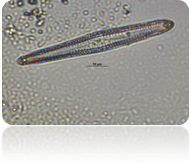 Gomphonema |
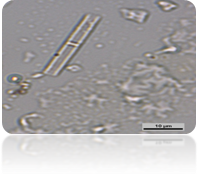 Melosira |
Navicula |
Nitzschia |
Pinnularia |
Pleurosigma |
|
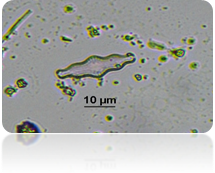 Pseudostaurosira |
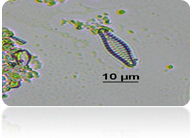 Punctastriata |
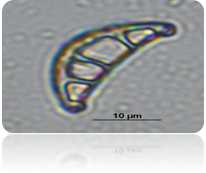 Rhopalodia |
Rhicosphenia |
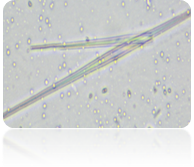 Synedra |
Stauroneis |
Diploneis |
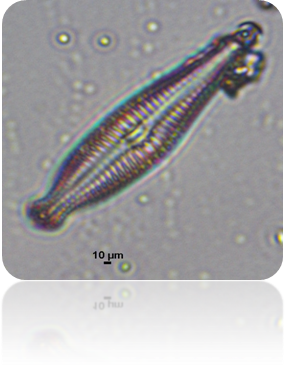 Gomphoneis |
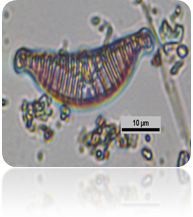
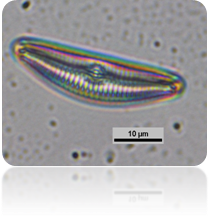
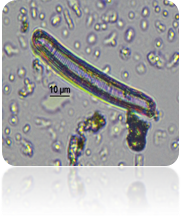
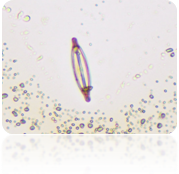
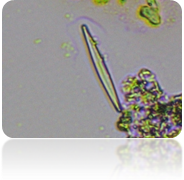
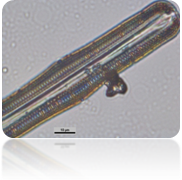
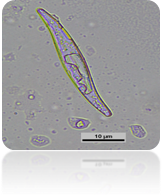
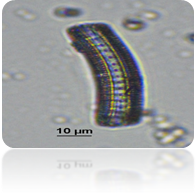
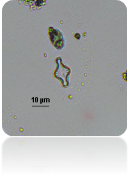
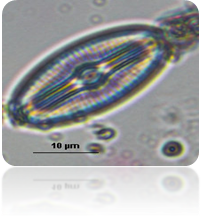
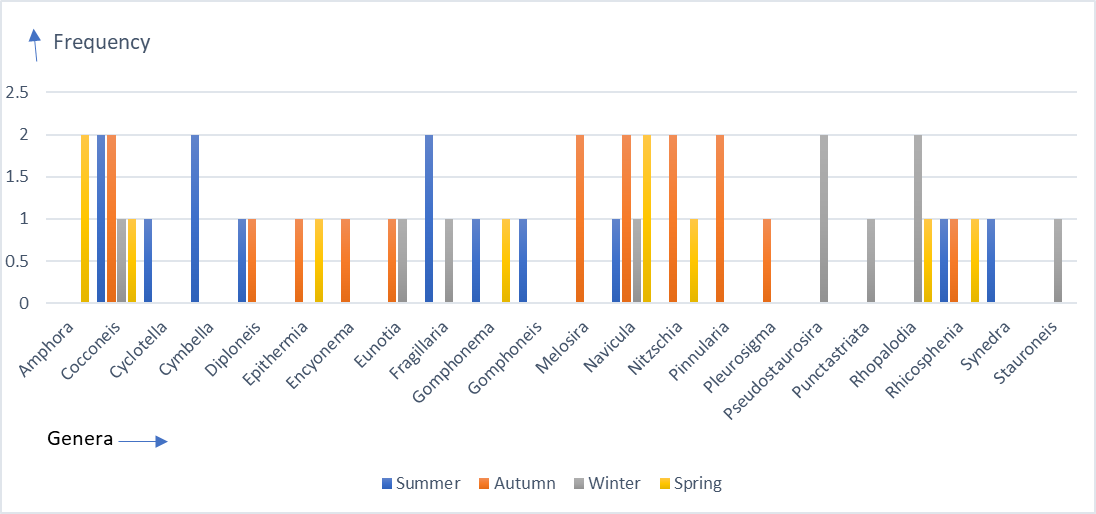
Plate no. 1. Photomicrographs of identified genera in Renuka lake
Plate no. 2 Frequency of distribution pattern of diatoms in all seasons.
Acknowledgements
The authors would like to thank University Grant Commission (UGC) for the scholarship.
References
- Thakar, M.K. and Guleria, P. (2015): Tracking drowning trends in Himachal Pradesh during 2006-2010. Anil Aggrawal’s Internet Journal of Forensic Medicine and Toxicology.16 (1). ↑
- Piette, M.H.A. and Letter, E.A. (2006): Drowning-Still a difficult autopsy diagnosis. Forensic Science International, 163:1-9. ↑
- Round, E.F., Crawford, R.M. and Mann, D.G. (1990): The Diatoms-Biology and Morphology of the Genera, Cambridge University Press, Cambridge; England, 1-747. ↑
- Thakar, M.K. and Singh, R. (2010): Diatomological mapping of water bodies for the diagnosis of drowning cases. Journal of Forensic and Legal Medicine, 17:18-25 ↑
- Ludes, B., Coste, M., Tracqui, A. and Mangin, P. (1996): Continuous River Monitoring of the Diatoms in the Diagnosis of Drowning. Journal of Forensic Sciences, 41(3): 425-428. ↑
- Pollanen, M.S. (1977): The Diagnosis value of the Diatom Test for Drowning I. Utility: A Retrospective Analysis of 771 cases of Drowning in Ontario, Canada. Journal Forensic Science, 42(2): 281-285. ↑
- Peabody, A.J. (1977): Diatoms in Forensic Science. Journal of Forensic Science Society, 17:81-88. ↑
- Hurlimann, J., Feer, P., Elber, F., Niederberger, K., Dirnhofer, R. and Wyler, D. (2000): Diatom detection in the diagnosis of death by drowning. International Journal of Legal Medicine, 114:6-14. ↑
- Sidari, L., Di Nunno, N., Costantinides, F. and Melato, M. (1999): Diatom test with Soluene-350 to diagnose drowning in sea water. Forensic Science International, 103: 61-65. ↑
- Ludes, B., Coste, M., North, N., Doray, S., Tracqui, A. and Kintz, P. (1999): Diatom analysis in victim’s tissues as an indicator of the site of drowning. International Journal of Legal Medicine, 112:163-166. ↑
- Kazutoshi, A., Mihoko, A., Mamoru, O. (2004) The distribution of diatoms in Yoro the yoronjima and Application of the Diatom test for the diagnosis of death by drowning in the open sea islands. Med. Journal of Kagoshima University. 56 (2): 25-29. ↑
- Hartley, B., Patricia, A. Sims., Barber, H.G., Carter, J.R. (1996): An atlas of British Diatoms, Biopress Ltd. 1-601. ↑
- Stoermer, E.F. and Smol, J.P (2004): A textbook of the Diatoms: Application for the environmental and Earth Sciences. Cambridge university press,1-469. ↑
- Pollanen, M.S. (1998): A textbook of Forensic Diatomology and Drowning. Elsevier, edition 1, 1-170. ↑
- Pollanen, M.S. (1997): The Diagnostic Value of the Diatom Test for Drowning II. Validity: Analysis of Diatoms in Bone Marrow and Drowning Medium. Journal Forensic Science, 42 (2): 286-290. ↑
- Singh, R., Singh, R., Singh, R. and Thakar, M.K. (2006): Diatomological studies from three water bodies of Jaipur. Indian Internet Journal of Forensic Medicine and Toxicology, 4(3): 1-11. ↑
- Saini, E., Khanagwal, V. P. and Singh, R. (2017): A systematic databasing of diatoms from different geographical localities and sites of Haryana for advancing validation of forensic diatomology. Data in brief, 63-68. ↑
- Singh, R., Z. and Jasuja, OP. (2017): A preliminary study on the Diatom flora of various drowning sities in Mizoram rivers. Anil Aggrawal’s Internet journal of Forensic medicine and Toxicology, 2 (17): 1-8. ↑